Product Description
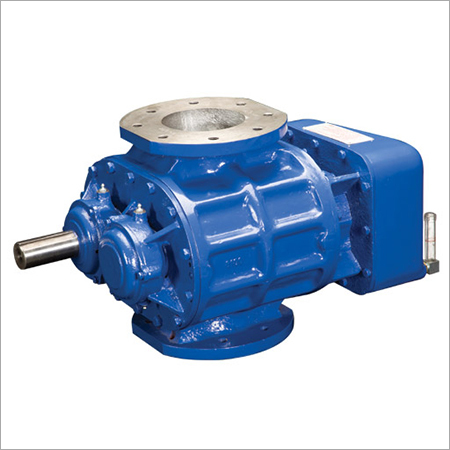
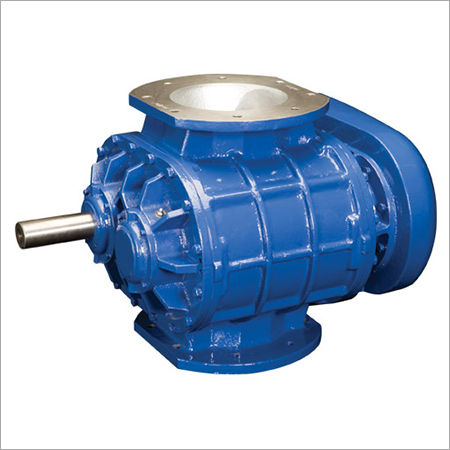
4000-8000 m³hr Twin Lobe Blower
Highlights
| Model No. | KSR800 |
| Specification | Twin Lobe Blower |
| Gear Center mm. | 300.0 mm |
| Swept Vol. Per Rev. lit/rev. | 80.0 lit/rev. |
| Air Flow m³/hr | 4000-8000 m³/hr |
| Max. Pressure m bar | 1000 m bar |
| Max.Speed rpm | 1500 rpm |
Projected Test Bench Data
| Blower speed
rpm | 100 mbar | 200 mbar | 300 mbar | 400 mbar | 500 mbar |
| Q | KW | Q | KW | Q | KW | Q | KW | Q | KW |
| 1550 | 8045 | 35 | 7884 | 55 | 7551 | 76 | 7438 | 100 | 7326 | 123 |
| 1400 | 7267 | 32 | 7000 | 51 | 6733 | 69 | 6620 | 90 | 6509 | 111 |
| 1300 | 6748 | 30 | 6600 | 48 | 6200 | 64 | 6080 | 84 | 5964 | 103 |
| 1200 | 6142 | 28 | 6008 | 45 | 6544 | 59 | 5530 | 77 | 5419 | 95 |
| 1100 | 5550 | 26 | 5430 | 42 | 5100 | 54 | 4987 | 70 | 4875 | 87 |
| 1000 |
|
|
|
| 4555 | 49 |
|
| 4330 | 79 |
| Blower speed
rpm | 600 mbar | 700 mbar | 800 mbar | 900 mbar | 1000 mbar |
| Q | KW | Q | KW | Q | KW | Q | KW | Q | KW |
| 1550 | 7235 | 147 | 7147 | 170 | 7060 | 180 | 6990 | 215 | 6927 | 240 |
| 1400 | 5400 | 123 | 6330 | 154 | 6260 | 170 | 6180 | 190 | 6110 | 217 |
| 1300 | 5870 | 119 | 5785 | 143 | 5720 | 158 | 5645 | 176 | 5565 | 202 |
| 1200 | 5330 | 110 | 5241 | 132 | 5180 | 146 | 5112 | 165 | 5021 | 186 |
| 1100 | 4795 | 101 | 4715 | 121 | 4660 | 134 | 4590 | 152 | 4500 | 172 |
| 1000 |
|
| 4152 | 110 |
|
|
|
| 3932 | 155 |
Efficient Air Movement for Industrial ApplicationsWith advanced positive displacement technology, the twin lobe air blower delivers precise air flow, making it essential for effluent and water treatment, aquaculture aeration, cement plants, and pneumatic conveying. The robust V-belt or direct coupling drive ensures efficient performance and adaptable integration into varied systems.
Durability and Low Maintenance DesignFabricated from high-quality cast iron and optionally stainless steel, the blower resists corrosion and operates reliably even in harsh environments. Self-lubrication and precision rotors contribute to a long service life, while anti-corrosive paint and air-cooling optimize operational stability.
Customizable to Your NeedsMultiple discharge sizes, mounting types, and power configurations make this blower suitable for a wide range of installations. Custom voltage, dimension options, and comprehensive accessories like silencers and suction filters ensure seamless adaptation to both retrofit and new projects.
FAQs of 5-135 m/hr Twin Lobe Blower:
Q: How does the twin lobe blower achieve efficient air displacement?
A: The blower uses twin precision-machined lobed rotors which rotate to trap and expel air at a consistent rate, providing steady airflow and pressure. Its positive displacement technology ensures minimal leakage and efficient performance throughout its designed flow and pressure range.
Q: Where can the 5-135 m/hr Twin Lobe Blower be installed?
A: This blower is suitable for a variety of industrial settings including effluent treatment plants, water treatment facilities, aquaculture farms, cement plants, and pneumatic conveying systems. Its robust design and horizontal mounting make it versatile for both indoor and sheltered outdoor installations.
Q: What are the advantages of air-cooled and self-lubricated operation?
A: Air-cooled operation eliminates the need for complex water cooling systems, simplifying installation and maintenance. The self-lubricated mechanism reduces ongoing servicing requirements, ensuring smooth, continuous operation and increasing operational uptime.
Q: When should I choose cast iron or stainless steel material for my blower?
A: Cast iron is suitable for most standard industrial applications due to its durability and cost-effectiveness. Stainless steel is recommended for environments with high exposure to corrosive agents or strict hygiene requirements, such as certain water treatment and food processing applications.
Q: How does the blower ensure low noise and long service life?
A: Featuring acoustic silencers, precision-balanced rotors, and a design that minimizes vibration, the blower operates below 85 dB(A). Durable materials, corrosion-resistant coatings, and a continuous-duty rating enable dependable, long-term service.
Q: What is the typical process for installation and commissioning?
A: Installation involves mounting the blower horizontally on its supplied base frame, connecting the V-belt or direct coupling drive, and aligning the electrical connections to site voltage specifications. Accessories such as suction filters and silencers are fitted as required, followed by commissioning and performance checks.













 English
 Spanish
 French
 German
 Italian
 Chinese (Simplified)
 Japanese
 Korean
 Arabic
 Portuguese



 Send Inquiry
