Product Description
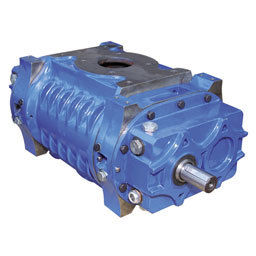
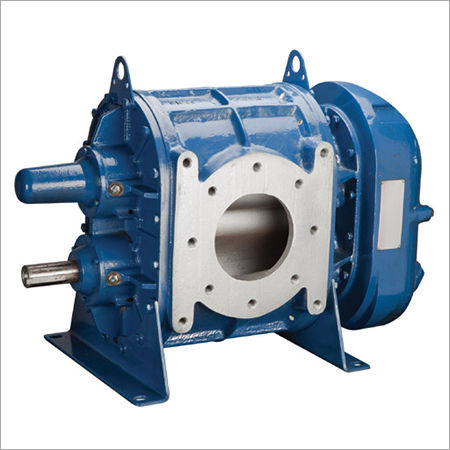
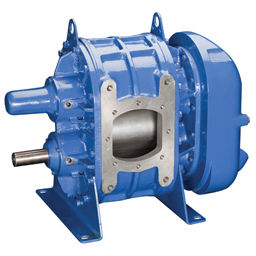
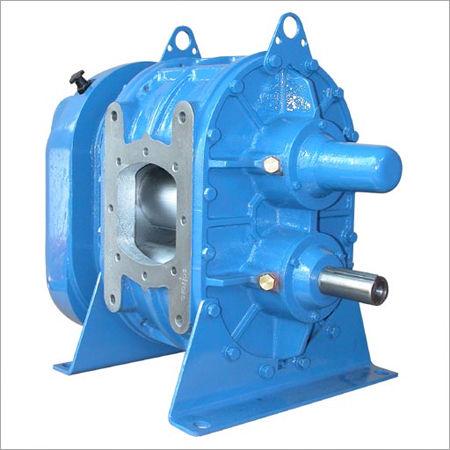
600 - 2100 m³/hr Tri Lobe Vehicle Blower
600 - 2100 m³/hr Tri Lobe Vehicle Blower is a high speed air blowing unit which is designed and developed by our highly skilled engineers by using best quality materials and high performance electrical drives that makes it capable to achieve a maximum speed of 3500 rounds per minute. It is provided with three intermeshed involute rotors in between which the air locks to increase the pressure. The offered blower is capable to operate at a maximum pressure of 1000 bar.
Technical Details:
| Model No. | KTVR97 |
| Specification | Tri Lobe Vehicle Blower |
| Gear Center mm. | 135.0 mm |
| Swept Vol. Per Rev. lit/rev. | 13.6 lit/rev. |
| Air Flow m³/hr | 600-2100 m³/hr |
| Max. Pressure m bar | 1000 m bar |
| Max.Speed rpm | 3500 rpm |
Versatile Vehicle-Mounted BlowerDesigned for truck or vehicle mounting, this tri-lobe blower streamlines pneumatic conveying, bulk material transfer, and vacuum loading tasks. Its compact size (1200 x 650 x 850 mm approx.) and moderate weight (375 - 525 kg) suit mobile operations, providing reliable performance with operational stability on the move.
Superior Engineering and AdaptabilityOffering variable discharge diameters, adjustable rotational direction, and flexible sealing systems, the blower adapts seamlessly to diverse operational requirements. With an optional or included inlet filter (depending on the model), it enhances filtration and protects critical internal components during demanding jobs.
Efficient and Durable PerformanceThis air-cooled blower uses a tri-lobe rotor for optimal airflow, with capacity ranging from 600 to 2100 m/hr. It runs on a 415V power source, ensuring consistent output while maintaining lower power consumption (7.530 kW). Routine maintenance every 2000 hours helps preserve its extended lifespan and dependable service.
FAQs of 600 - 2100 m/hr Tri Lobe Vehicle Blower:
Q: How often should I perform maintenance on the Tri Lobe Vehicle Blower?
A: Routine maintenance for the blower should be conducted every 2000 working hours, ensuring optimal efficiency and longevity. Regular inspection includes checking lubrication levels, belt or coupling integrity, seals, and air filtration as recommended by the manufacturer.
Q: What are the main applications for this vehicle-mounted blower model?
A: This blower is designed for pneumatic conveying, bulk material transfer, and vacuum loading, typically installed on trucks or mobile vehicles. Its robust performance makes it ideal for industries involved in bulk handling or transfer operations.
Q: Which lubrication and sealing systems does the blower support?
A: Depending on the specific model, the blower can be equipped with either splash or forced lubrication systems. Sealing options include labyrinth, Teflon, and mechanical seals to suit varying operational conditions and material requirements.
Q: What discharge pipe diameter options are available with different blower models?
A: Discharge pipe diameters for this blower range from 80 mm to 150 mm, selectable according to the capacity and specific model. This allows users to match the blowers output with their system requirements for improved efficiency.
Q: Where can I obtain service support for installation or troubleshooting?
A: Comprehensive service support is provided, available on-site or remotely depending on location and distributor arrangements. Dealers, manufacturers, and authorized suppliers across India offer installation assistance, maintenance, and technical guidance.
Q: What warranty coverage does this blower include?
A: The blower is covered by a warranty for manufacturing defects only. This ensures protection against material or workmanship issues discovered during standard operation under recommended conditions.
Q: What are the key benefits of using a tri-lobe blower on vehicles?
A: Tri-lobe blowers deliver stable airflow, reduced pulsation, efficient energy consumption, and quiet operation (noise level around 85 dB(A)). Their reliability and air-cooled design make them a robust solution for mobile bulk transfer tasks and demanding environments.












 English
 Spanish
 French
 German
 Italian
 Chinese (Simplified)
 Japanese
 Korean
 Arabic
 Portuguese


 Send Inquiry
